Painting in Temecula, CA
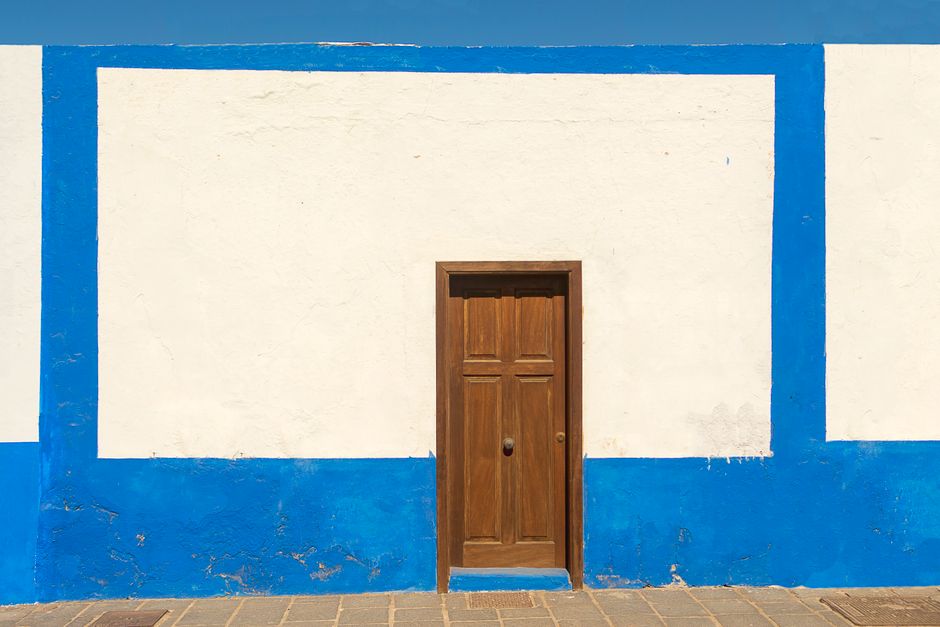
Notes on painting in Temecula, CA, from block walls and wood fences to iron gates, garage doors, patio covers and decks under valley sun.
What We Cover
- Staining a Wood Fence in Temecula Sun Why wood fence stain fades fast in Temecula heat and what prep and stain choices slow the grey.
- Garage Door Paint in Temecula Heat How afternoon sun heat affects garage door paint, color choice and prep on steel and wood doors.
- Painting Block Walls in Temecula How to prep, prime and coat a concrete block wall in Temecula so efflorescence and dust do not undo the paint.
- Repainting a Patio Cover or Pergola How to repaint a patio cover or pergola in Temecula where the top surfaces take the hardest sun.
- Rust Primer for Wrought Iron Gates and Railings What to do about rust on wrought iron gates and railings in Temecula before any topcoat goes on.
- Refinishing a Wood Deck in Temecula When a wood deck in Temecula needs stripping, sanding and a new finish, and how the dry climate cracks boards.
Painting in Temecula, CA
Painting work in Temecula starts with the sun. Stucco, block, wood and iron all take a daily beating from valley heat, dry wind and dust off the graded lots, and a paint job that ignores that gets redone in a few seasons. A crew reads the surface first, then picks the primer and the coating that suits it.
Walls, fences and gates
The parts of a property outside the house get hit hardest. Block perimeter walls pull in irrigation overspray and show salt crust at the base. Wood fences go grey as the sun burns the surface off the board. Wrought iron gates and railings rust at the bottom rails and base plates where water sits after the sprinklers run. Each one needs a different prep before a brush or sprayer is touched.
Garage doors, patio covers and decks
Garage doors face the driveway and the afternoon sun, so heat decides the color and the timing. Patio covers and pergolas fail from the top, where the rafters take direct sun all day. Wood decks check and cup in dry spells, and a finish that sits on top of cracked boards peels fast. Valley painters work these jobs early in the day, in shade, and in small sections.
Weather and timing
Temecula sits inland from the coast, with hot dry summers, cool nights and Santa Ana wind days that blow dust into wet paint. Spring and fall give the steadiest windows for exterior work, close to the Santa Rosa Plateau and the wine country side of the valley, while summer jobs get done at first light. Surface temperature on the can matters more than the air temperature on the phone.
Guides
The pages here cover six jobs around a Temecula property: block walls, wood fence stain, rust primer for iron, garage door paint, patio cover and pergola repainting, and wood deck refinishing. Each page walks through prep, products and timing in the order a crew works.
Latest Guides
Planning the Order of a Whole Yard Repaint in Temecula
2026-10-06
What goes wrong when every outdoor structure is painted in one weekend?
A property in Temecula, CA usually has more to paint than the house. There is a perimeter wall, a wood fence, maybe a side gate, an iron railing on the stairs, a garage door, a patio cover or a pergola, and a deck. When the work gets scheduled all at once, the order decides whether the finish holds. Drips from the patio cover land on a fresh fence. Dust from sanding the deck settles on wet gate paint. A sprayer coats a block wall and mists the car in the driveway. Questions about sequence come up on nearly every multi-structure job, so this page works through the common ones in the order they usually arrive.
Which structure should be painted first?
Start with whatever sits highest and whatever makes the most dust. On most properties that means the patio cover or pergola first, since its top surfaces shed scraped paint and drips onto everything underneath. The deck usually comes next if it needs sanding, because sanding throws fine dust over a wide area. Gates, railings and garage doors follow, and the perimeter wall and fence come last, since they are the largest surfaces and the most exposed to splatter from the earlier work.
There are exceptions. A wall that needs several days to dry after cleaning can be washed first and left to dry while the rest of the work happens. A fence that needs a mildew wash can be treated early for the same reason. The rule behind the order is simple: dirty work goes before clean work, and slow-drying prep goes first so it dries while other jobs proceed.
How long should a surface dry after washing?
Longer than most people expect. Block and masonry hold water deep inside, and a face that looks dry on the surface can still be damp a few inches in. In the dry heat of the Temecula Valley, a block wall washed on a warm day in spring usually needs a couple of days. A shaded wall on the cool side of a house needs more. Wood needs days as well, and the board should feel dry all the way through, which a moisture meter confirms better than a hand does.
Painting over damp masonry or damp wood is the single most common cause of early blistering. The paint forms a skin over the surface, and the water trapped behind it pushes the skin up the first time the sun hits it.
Can the same primer be used on block, wood and iron?
No. Each material takes a different primer, and using one product across all of them means two of the three get the wrong base.
- Block and masonry take a masonry sealer or a block primer that fills the pores and keeps the wall from drinking the topcoat.
- Raw wood takes an oil based or an acrylic wood primer, with extra on end grain and cut edges. Stained wood that is being restained usually needs no primer at all.
- Bare iron takes a rust inhibiting primer, applied the same day the metal is cleaned.
- Steel garage doors take a bonding primer that grips a slick factory finish.
A crew that carries one general purpose primer for everything tends to get the best result on one surface and the worst on another, usually the iron.
What sheen works best outdoors in strong sun?
Flat and low sheens hide surface flaws, which makes them the usual choice on block walls, where the texture is uneven and a glossy finish would show every pit. Satin and eggshell work well on wood trim and patio covers because they shed water without looking glassy. Semi gloss belongs on iron and on doors, where a harder, easier to wipe surface helps, and it resists dirt and the effects of sprinkler spray better than a flat does.
Sun changes the picture over time. Every sheen drops a notch as the binder weathers, so a satin finish may read as flat after a few summers. Choosing one step higher than the look wanted on day one is a common trade practice for surfaces that face west.
Is it better to spray or to roll and brush?
Both have a place, and a crew often uses both on one property. An airless sprayer covers long runs of wall and fence quickly, and it reaches into the gaps between pickets and the texture of block. The weakness is overspray. Anything near the work, including cars, plants, windows and neighbor property, needs masking, and a breezy afternoon means the spray travels further than expected.
Rollers and brushes put paint exactly where it is wanted and work it into the surface. On block, a roller with a thick nap pushes the paint into pores, and a sprayer without back rolling leaves pale spots in those same pores. On iron, a brush beats a sprayer almost every time, because round bar and scrollwork waste most of the spray. On decks, a pad or roller with a brush at the gaps keeps stain out of places it should not go.
What can wait, and what cannot?
Some work has a deadline and some does not. Rust treatment cannot wait long, since bare iron flash rusts within hours in damp air and the damage spreads under the paint. Wood that has opened up with checks needs a finish before the next dry spell takes more moisture out of it. A block wall with salt crust can wait for a better season, as long as the water source is fixed. Color changes on a sound surface can wait indefinitely.
A practical way to set priorities is to sort the property by what is deteriorating and what is merely dated. The deteriorating items go first, and the dated ones fill in the rest of the calendar.
Do patio covers and pergolas need special attention on the tops?
Yes. The tops of rafters and beams take direct sun for the longest part of the day and are the least inspected surface on the property. A ladder and a flashlight reveal most of what is wrong. Cracks across the grain, soft spots at the rafter ends and open joints where the beam meets the ledger all start on top and work down. Fixing the top surfaces first, with scraping, patching, caulk and primer, means the sides and the underside, which are easy to see from below, do not fail underneath a finished coat.
How do wind days change the schedule?
Santa Ana wind days in the Inland Empire push dust and dry air across the valley, and both are bad for wet paint. Dust sticks in the film, and dry air flashes the surface so that brush marks and roller lines stay in. The best answer is to move the coating to another day and use the windy one for prep that does not need clean air, such as scraping, caulking or taking down hardware. Painting on a calm morning is worth a day of waiting.
How can a homeowner tell the work was done in the right order?
The signs show up at the edges. Look at the bottom of the wall, where the paint meets the soil or the slab. A tight, even line means the surface was clean and dry. Look at the rafter ends and the joints on the patio cover. Caulk lines should be smooth and full, with paint carried over the caulk. Look on the fence at the lowest boards, where the stain should match the upper boards and not peel. Check the gate hinges and base plates for primer coverage. Dust specks in the paint, drips on the lower structures and flaking at the bottom edges all show work that was out of order.
Work on a full outdoor repaint holds up best when it follows the damage and the drying times, with the dirty jobs first and the topcoats last.

Reading the Damage on Outdoor Paint Around a Temecula Home
2026-10-06
Why does outdoor paint around a Temecula home fail in different ways?
Walk the edge of a typical property in Temecula, CA and the finishes read like a record of everything the valley throws at them. The block wall has a white crust along the bottom. The wood fence has gone silver on one side and stayed brown on the other. The iron gate has orange stains running down from the hinges. The garage door is chalking where the afternoon sun lands. None of that is random. Each failure points at a cause, and a painter who reads the pattern correctly can fix the cause before applying a single coat.
Three forces do most of the work in this part of Riverside County: direct sun, fine airborne dust, and water from irrigation. They rarely act alone. Sun cooks a surface until it cracks, dust settles into the cracks, and a sprinkler head keeps pushing water into them every morning at five.
What does sun do to each surface?
Ultraviolet light and heat attack paint in two ways. The light breaks down the binder, the clear glue that holds pigment together, so the surface turns chalky and the color fades. The heat makes the substrate expand and contract through the day, and anything rigid on top of it eventually splits along the lines of greatest movement.
The side of a house facing west takes the worst of it through summer, when the low afternoon sun hits with nothing in the way. A wood fence on that side loses its stain far faster than the east side of the same fence. A dark garage door on that side runs hot enough to soften foam insulation behind the skin. Even a pale block wall shows it, as the face dries out and the paint starts to powder under a thumb rub.
The test is easy. Rub a clean dry palm across the finish. If color comes off on the skin, the binder has broken down and the surface needs a coating that can bond to a chalky base. Washing and a bonding primer handle most of it, and skipping that step is the usual reason a new coat flakes within two summers.
How does dust change the work?
Dry slopes, graded lots, dirt shoulders and Santa Ana wind days all put fine dust in the air around the Temecula Valley. That dust ends up in three places that matter to a painter.
- On the surface itself, where it acts like a thin layer of flour between old paint and new. Primer sticks to the dust rather than the wall.
- In wet paint, where a gust at the wrong moment leaves grit that dries into a rough, sandy finish.
- In the cracks and pores of wood and block, where it holds moisture against the surface long after the rain or the sprinklers are done.
Clean work follows a plain order. Brush or blow down the surface, wash it, let it dry, and wipe it again right before the first coat. On windy days the job waits. A crew that has painted in the valley long enough learns to watch the flags and the dry grass on the hillsides as closely as the forecast.
What does irrigation overspray leave behind?
Overspray is the quiet one. A sprinkler head set slightly too low or too wide throws water at the base of a wall or fence every morning, and the water carries dissolved minerals. When it dries, it leaves a hard line of residue. The valley draws water from sources that vary in mineral content, and the residue shows up as white crust on block, dark bands on wood and rust streaks on iron.
The effects differ by material:
Surface What overspray does What it looks like What to fix first Block wall Pulls salt out of the masonry and deposits it on the face White crystalline crust, paint lifting in sheets Redirect the head, brush off salt, let the wall dry Wood fence Keeps the lower boards damp so mildew grows Dark band at the bottom rail, stain peeling at that line Scrub with a mildew cleaner, rinse, dry, then stain Wrought iron Keeps joints and base plates wet Orange rust at welds, bubbling paint near the ground Wire brush, rust primer, seal the base with caulk Garage door Wets the bottom edge and the rubber seal Flaking along the lowest panel Scrape, prime bare spots, keep spray off the door Wood deck Soaks the rim joist and the end of each board Dark ends, splitting, soft spots Redirect water, probe for rot, then sand and finish The common thread is simple. No coating survives a wall that is wet from the outside every day. Painting before the sprinkler is fixed means painting twice.
Why do the same problems show up near creeks and open lots?
Properties near Murrieta Creek, Temecula Creek or the Santa Margarita River corridor see more morning dampness than houses on a dry hillside, and that lingering moisture changes the finish. Mildew grows on the north side of a fence, wood stays soft at the base, and iron rusts faster in the low spots where cool air collects overnight. Houses that back onto open land get more blown dust. Lots close to Pechanga or toward the Santa Rosa Plateau see the same sun but different wind, and the wind carries different grit.
How do the three forces stack up on one surface?
Take a wood fence panel facing west, next to a lawn. In the morning, a sprinkler soaks the bottom foot. By noon, the sun has dried the water from the surface of the board but left the moisture deeper in. By afternoon, the panel has heated up and the stain at the top has started to break down. At night the board cools, and dust that landed during the day settles into the wet grain at the base. A year later, the top of the fence is grey and chalky while the bottom is dark and spotted.
What can a homeowner check before calling a painter?
A simple walk around the property, once the sprinklers have run, answers most of the questions a painter will ask.
- Which heads hit a wall, fence or gate, and for how long.
- Which surfaces are still wet an hour after the water stops.
- Which side of each structure faces the afternoon sun.
- Where the old paint is chalking, flaking or bubbling, and whether it starts at the bottom or the top.
- Whether any wood is soft when poked with a screwdriver tip.
Those five observations tell a painter what the surface has been through, which is more useful than a color chip. A bubble that starts at the bottom of a wall points to moisture from below. A flake pattern across the top of a pergola points to sun. A uniform sandy texture across a whole door points to a binder that has worn out.
How should the order of work follow the damage?
The order that makes sense for most Temecula yards runs from the structural problems to the cosmetic ones. Sprinkler adjustments come first, because every coating after that depends on them. Cleaning and drying follow, since moisture trapped under new paint is the main cause of early peeling. Repairs come next: patching block, replacing a rotten board, scraping rust, filling cracks. Primer goes on bare spots and sealers go on thirsty surfaces. The topcoat is last, and it is the shortest part of the job.
Seasonal timing matters for this order too. Spring and fall offer cooler surface temperatures and steadier air, and the cleaning and drying stages go faster when nights are dry. In midsummer the repairs and prep can still happen, with the coating itself pushed to early morning when the surface is cool and the wind has not picked up yet. Winter rain can interrupt anything that needs several dry days, so a gap in the forecast is worth using.
What does a finished job look like a few years later?
A good outdoor repaint in the Temecula Valley looks plain on day one. The block wall has an even flat finish, the fence shows grain through a semi transparent stain, the iron has a satin sheen without orange at the joints. The proof comes later. Three summers on, the finish should still shed water, the colors should have faded slightly and evenly, and the edges at the bottom of walls and posts should still be tight. If the sprinklers were fixed and the surfaces were dry before coating, those edges are where the work shows its quality.
Reading the damage before painting turns a repaint from a cosmetic job into a repair, and the sun, dust and water that broke the last finish are the same three forces working on the next one.